




Overview of the Bachelor’s Degree in Biotechnology
The Bachelor’s Degree in Science & Engineering – Biotechnology, as outlined in CTI Opinion No. 2020/11-4, trains assistant engineers in biology, biochemistry, and biotechnology, conferring a Bachelor’s degree (Bac+3) and certified by the RNCP (No. 39544) to meet the needs of the industrial sector.
Engineering assistants serving the bio-industries
The Bachelor’s degree in Biotechnology offers two different tracks: Bioprocesses & Bioproduction and Formulation & Sensory Analysis. The program consists of four common academic semesters and two semesters (44 weeks) of internships. The first two years include a common foundation of basic methodological, scientific, and technical knowledge, followed by specialization in the third year based on the chosen track.

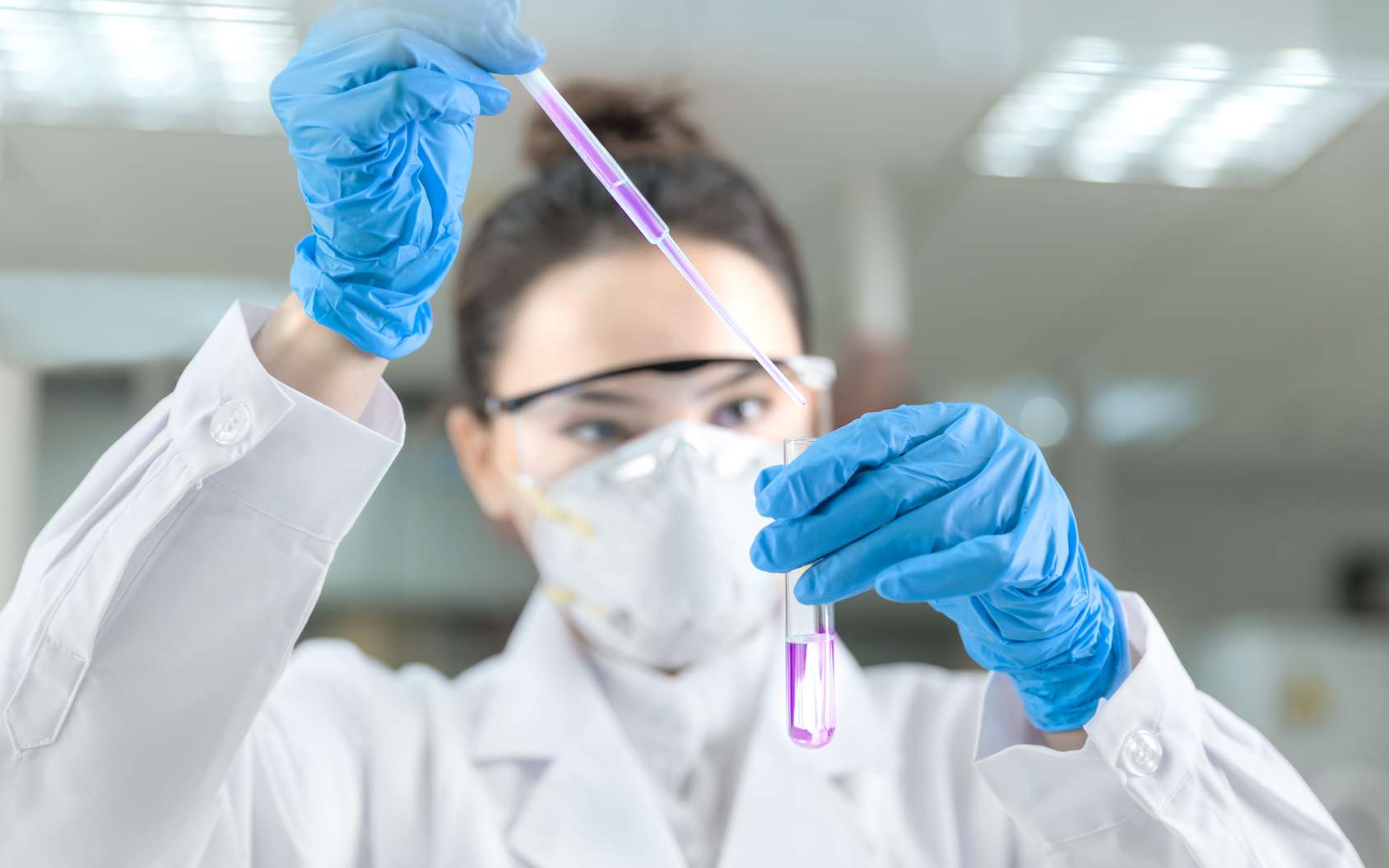
Track 1: Bioprocesses & Bioproduction
The goal of this program is to train Assistant Engineers in Bioproduction and Bioprocessing.
- Implementation and monitoring of production steps in collaboration with unit or laboratory managers: scale-up of biological processes, batch validation, etc.
- Establishment and monitoring of bioprocesses in collaboration with production or research teams: optimization of culture, fermentation, and purification parameters…
Learn more about the Bachelor’s Degree in Biotechnology – Bioprocesses & Bioproduction
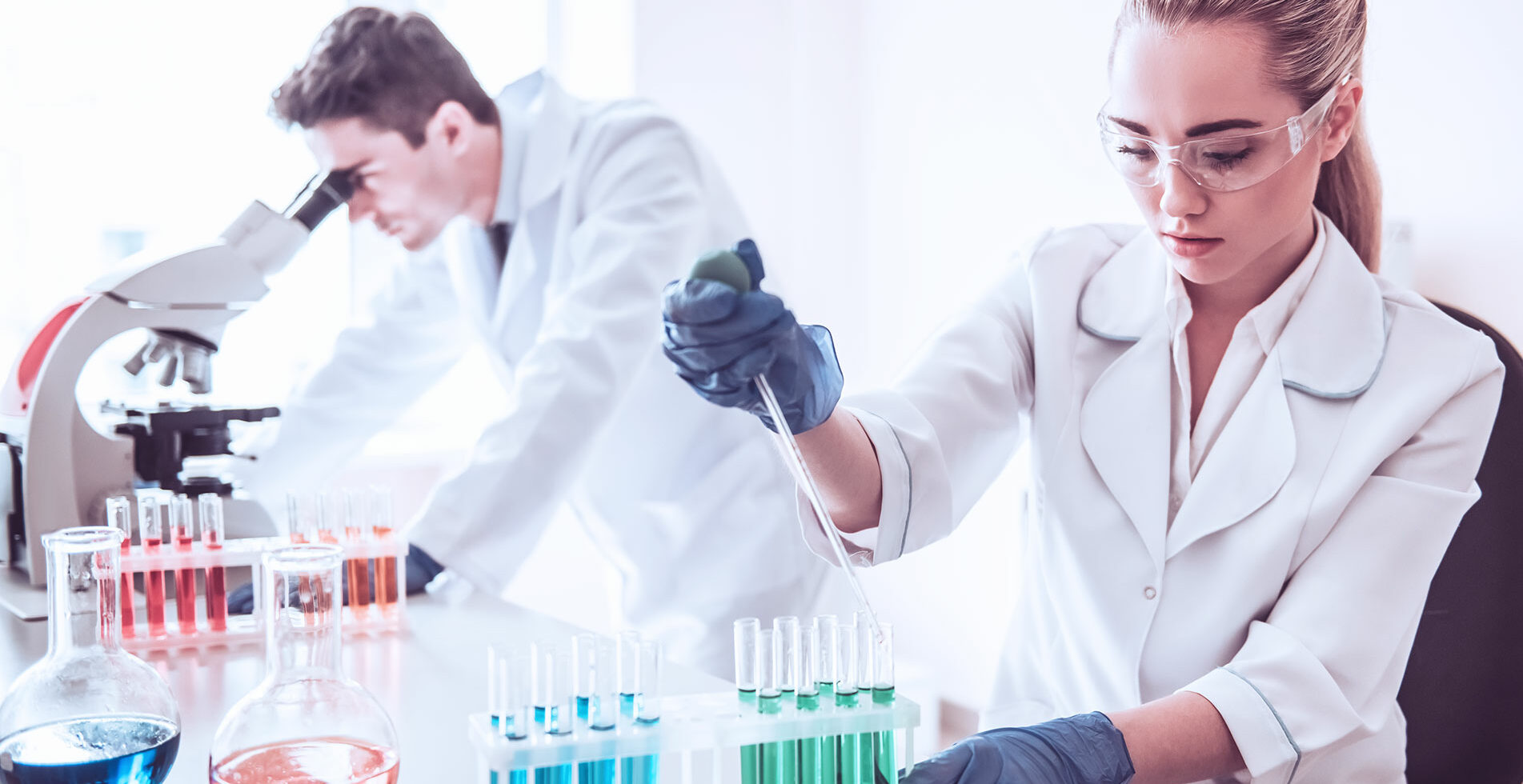
Track 2: Formulation & Sensory Analysis
The goal of this program is to train Assistant Engineers in Formulation and Sensory Analysis.
- Participate in product formulation, testing, and optimization in collaboration with the R&D teams
- Participate in the design, implementation, and analysis of sensory tests in collaboration with the R&D teams
Learn more about the Bachelor’s Degree in Biotechnology – Formulation & Sensory Analysis
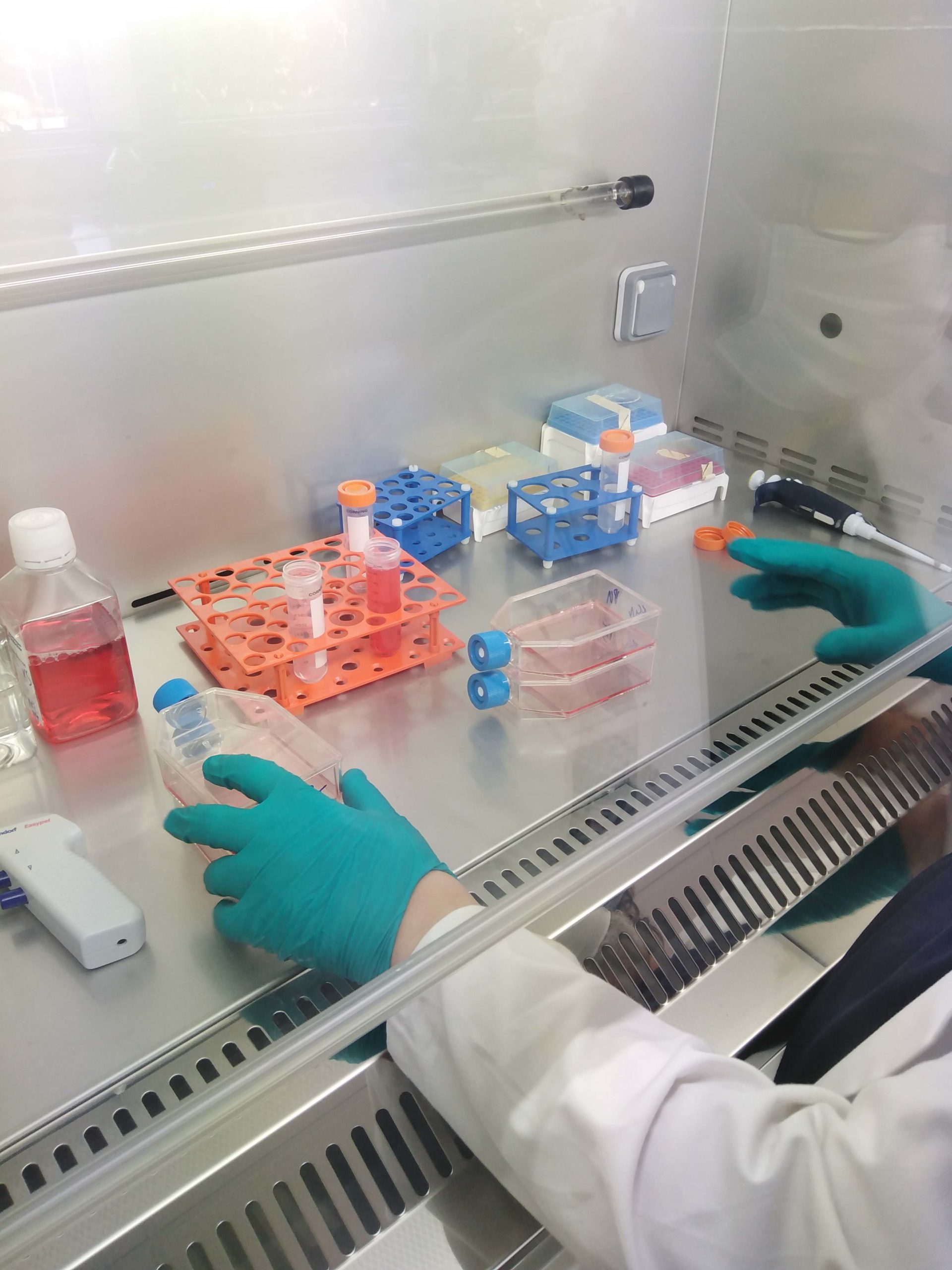
1000 m² where engineering assistants, engineers, experts and researchers rub shoulders
The teaching methodology will be based on the technical platform of the EBI; its laboratories include state-of-the-art equipment: molecular biology, cell culture, microbiology, formulation, production, analytical and process pilots. This practical approach will enable you to handle and master all types of equipment, integrating different approaches to optimization, quality and risk management.

Skills developed
Scientific and technical knowledge in bioprocesses, formulation, sensory analysis, prevention, quality management with an organizational, regulatory, and data analysis dimension. This multidisciplinary approach will be the basis of this training in line with the two proposed pathways.
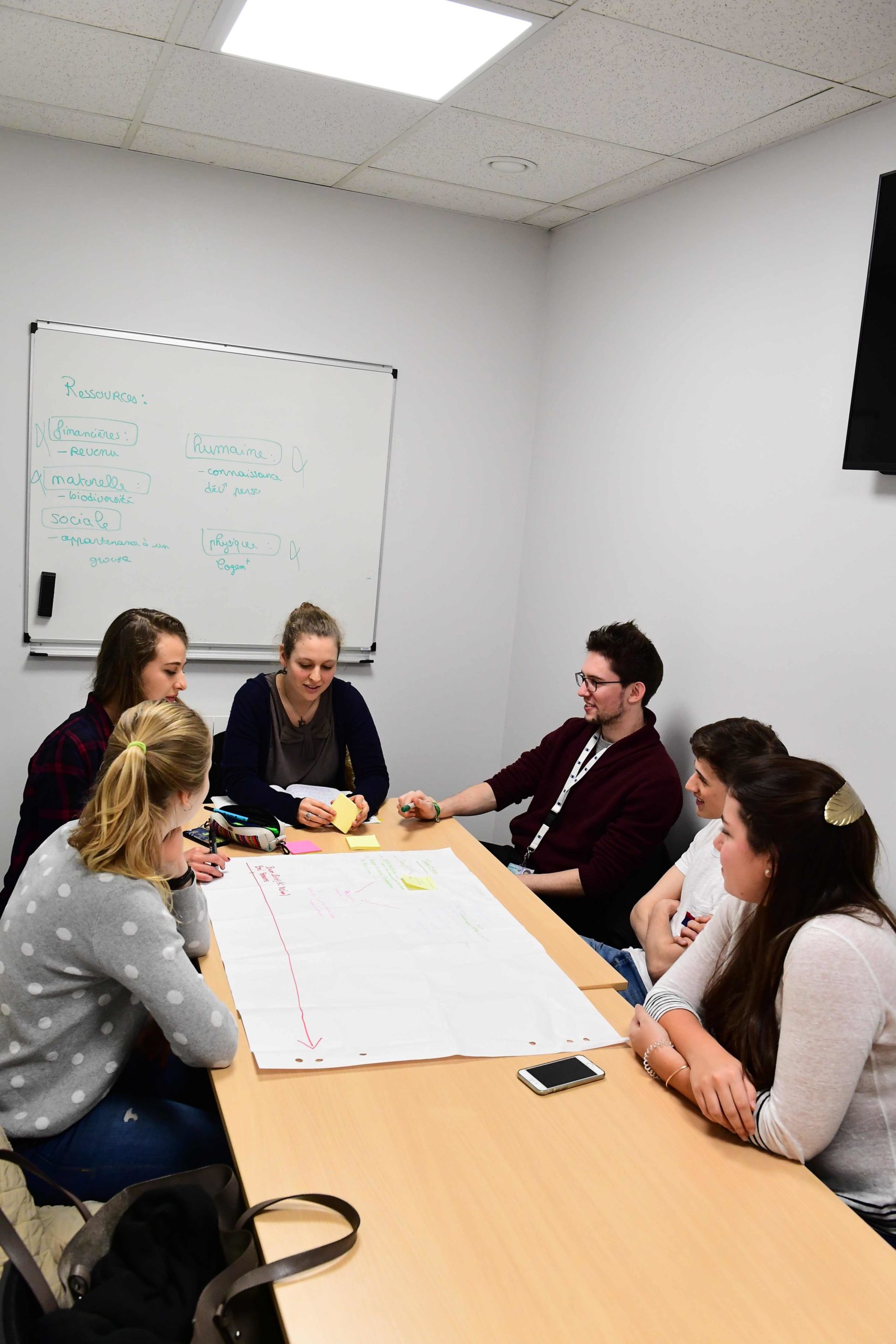
Active teaching methods applied to real-life industrial issues
The training develops solid expertise in applied sciences and techniques for production and formulation, as well as in sensory analysis. It incorporates the dimensions of quality, eco-design, risk management, and analytical characterization. Driven by active pedagogy, it places the student at the heart of their learning through projects and problem-based learning situations (PBL), in direct connection with industrial realities.
