



to study
2nd and 3rd year engineering cycle
The EBI engineering program emphasizes project-based learning and offers engineering students the opportunity to specialize in a specific field. These last two years prepare them for their engineering diploma and their future professional integration.
Objectives of semester 7
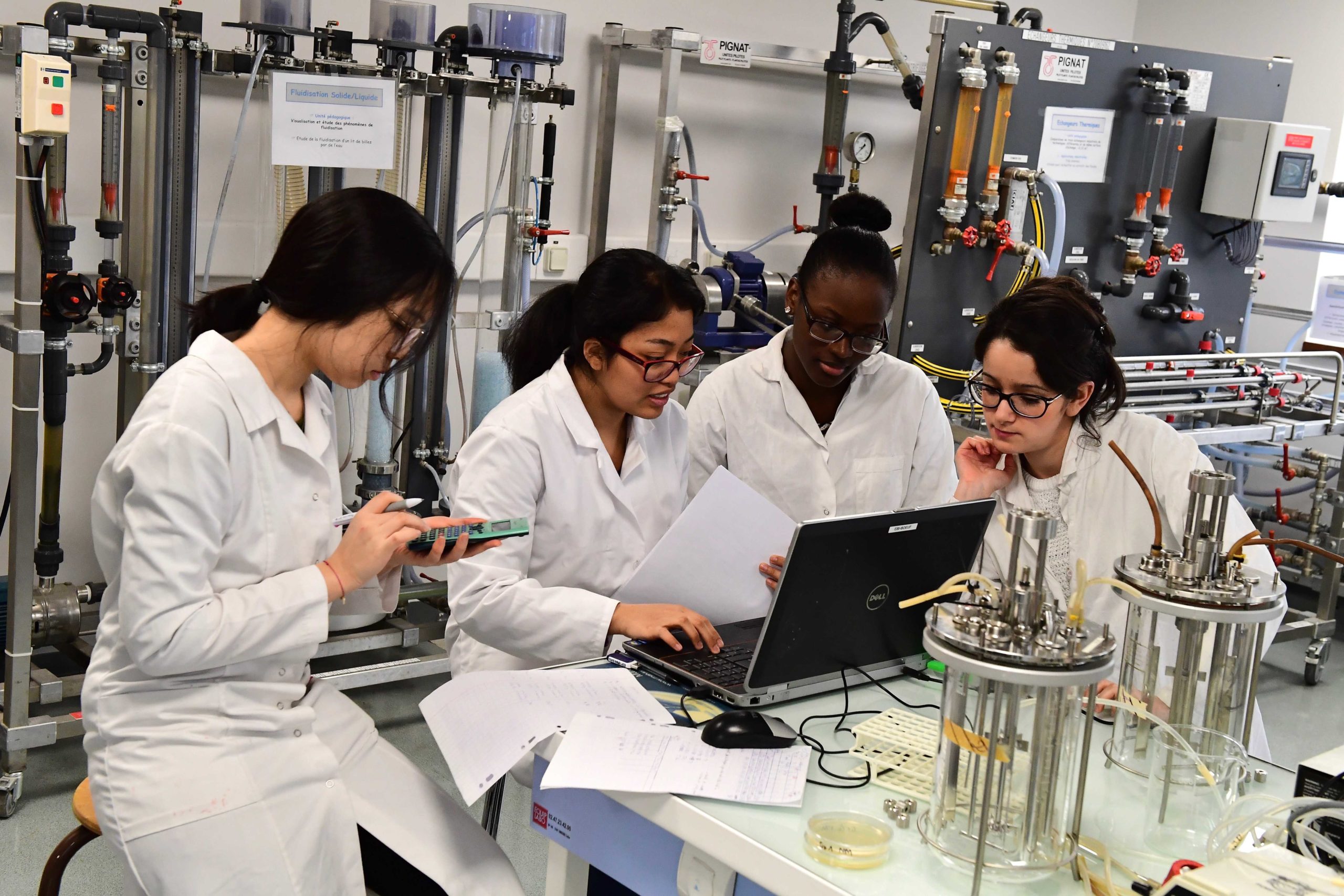
The first semester is specifically dedicated to the following projects: 5 major projects (1)
are carried out in teams and supervised by faculty members and practicing engineers.
They allow students to work, just as they would in a company, on a concept
or a set of specifications, and all projects are incubated within the departmental entrepreneurship hub.
(1) Marketing and Business Creation, Quality and Industrial Risks, Formulation and Design, Safety and Registration, Databases and Design of Experiments
Program
Semester 7
- Carbon Assessment
- Experimental designs
- English
- Career Management
- General Toxicology
- Chemistry & formulation of polymers
- Marketing and Entrepreneurship
- Tools and Methods for Industrial Quality
- Basic unit operations
from September to June
Choice of one of the 5 majors, no quota
from June to August
Optional internship

#project
Maison Neaura
Jury Prize at the U'Cosmetics 2026 competition
The Maison Neaura project, a range of customizable hair care products designed to enhance white and silver hair.

Entrepreneurship
Throughout their course, students are made aware of entrepreneurship and business creation. The concepts covered are then deepened and put into practice during the engineering cycle: EBI student-engineers are led to create, innovate and imagine products or services. These projects are integrated into the curriculum and are carried out with the support of the EBI, thanks to the EBInnov lab and the school’s social fund. The projects are presented at the Entrepreneurship Concepts Challenge in front of 30 professionals every year.
#EBIste words
Objectives of semesters 8 and 9
Starting in the second semester of their fourth year, engineering students choose one of five majors based on their career goals. A special feature of the EBI is that there is no quota for each major. The student thus retains a great deal of freedom in his or her choice of course. Students also choose 4-10 minors to customize their resumes. While the major courses are mandatory, the minor courses are elective.
This selection of options best prepares each engineering student for their future career by helping them design their own academic path and, in turn, shape the professional future that interests them.


Major
Research & application
Major
Research & application
It trains engineers who will work in the biomedical sector, on vaccines, biotechnologies, enzymatic kits, cellular models. These are team management positions in the laboratory. Further study in a doctorate is possible.
Learn more
Major
Design & development
Major
Design & development
It allows students to acquire the skills to formulate consumer products in the laboratory: mixing reagents and molecules, appreciating their appearance, fragrance, colour, texture and taste. The goal is to create a product that is both useful and enjoyable.
Learn more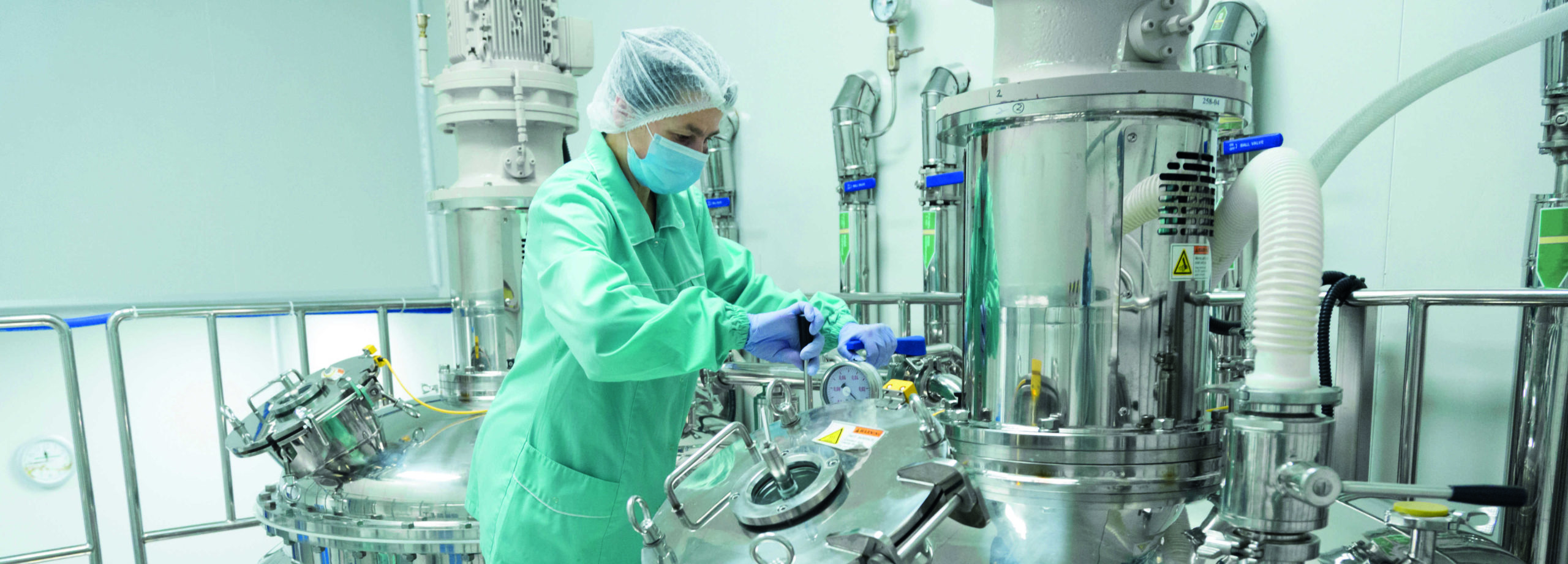
Major
Processes & production
Major
Processes & production
Engineers are trained to implement the most economical and environmentally friendly manufacturing processes. Their role is to manufacture on a large scale what has been formulated in the laboratory. They work mainly in production units.
Learn more
Major
Quality & regulation
Major
Quality & regulation
The quality manager is responsible for the repeatability of the product. He analyses the production batches, writes procedures, makes the teams follow the European or international standards related to the ingredients. It also oversees the safety and security of the products.
Learn more
Major
Marketing and management
Major
Marketing and management
The engineer masters marketing, when launching a new product line. Market research, visual identity research, packaging creation, wording definition and scientific knowledge of the product are the assets of this training.
Learn more
One of the major assets of the EBI is the diversity of the group projects. Indeed, in different subjects, we are led to apply the theoretical elements of the courses. These experiences teach us a lot about team management and project management. These projects are professionalizing and are valuable during job interviews.