






EBI Deciphers: The Chemistry of Floral Notes
With the return of warmer weather and the blooming season, gardens, parks, and fields are adorned with scents that awaken our senses. Lilac, jasmine, rose, honeysuckle… evoke freshness, elegance, and memories. These emblematic fragrances of spring and early summer hold an essential place in the world of perfumery. Floral notes, these delicate molecules found in many perfumes, are not merely the product of perfumers’ imaginations. They are based on scientific principles that influence our perception of smells and our emotions, and deserve to be explored.
In this article, we invite you to delve into the heart of the chemistry of floral notes and discover the mechanisms that give rise to these unique olfactory signatures.
What is a floral note?
A floral note refers to a family of scents inspired by flowers, specifically the essences extracted from flowers and commonly used in perfume creation. Each flower possesses a unique olfactory signature linked to its chemical composition, offering a wide range of nuances: fresh, powdery, green, sweet, or even sunny. These notes occupy a central place in olfactory compositions, bringing a sensory dimension that evokes emotions and revives memories. They can originate from natural flower extracts or be recreated from synthetic molecules. They can also be combined with fruity or woody accords to enrich their olfactory profile.
The chemistry of floral notes is complex and fascinating, resulting from a rich palette of chemical compounds that interact to create unique scents.
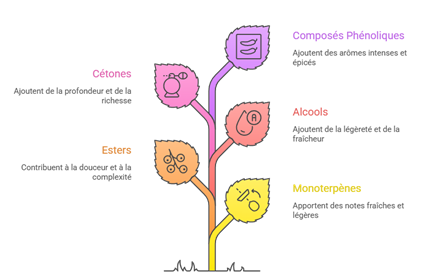
Figure 1: Complex floral odors and associated compounds
The olfactory pyramid: the structure of perfumes
In perfume creation, floral notes play an essential role in the olfactory pyramid, which consists of three levels:
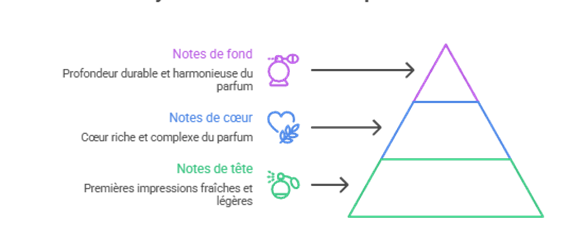
Figure 2: Perfume note pyramid
- Top notes: these are the first impressions of a fragrance. Light floral notes, such as neroli or orange blossom, are often used here to create a fresh opening.
- Heart notes: These form the heart of the fragrance and are generally dominated by flowers. Jasmine and rose are popular choices, bringing richness and complexity.
- Base notes: Certain flowers can also be used in the base notes to add lasting depth. For example, benzoin, although resinous in origin, can be blended with floral notes to create a harmonious effect.
The effects of floral notes on our emotions
Smell profoundly influences our perception of emotions and some of our behaviors. According to research by Herz (2009) and Köster (2003), odors have the power to evoke powerful memories and feelings, often more intensely than other senses like sight or hearing. For example, a familiar scent, such as that of a flower or a dish cooked by a loved one, can instantly transport us back to childhood memories or happy moments. This link between smell and emotions is largely due to how our brain processes olfactory signals. Odor molecules bind to receptors in our nose, sending messages to the limbic system, the area of the brain associated with emotions. Thus, odors are not merely sensory stimuli; they are emotional triggers that can influence our mood, behavior, and even our daily decisions. In short, smell is a powerful sense that enriches our human experience by forging connections between our perceptions and emotions.
Olfactory sensory analysis at EBI
An expert in sensory analysis (texture, taste, and smell), EBI has been using an olfactory reference system for several years to train its panelists. This method, called “Language of Noses®,” developed by ATMO Normandie, aims to standardize and objectify the description of odors through a common and shared vocabulary. The goal is to move beyond subjective perceptions to allow for a more precise and reproducible characterization of olfactory sensations.
This reference system is based on the classification of molecules according to their chemical properties and olfactory perceptions, thus providing a structured framework for the analysis and description of odors. It includes a core set of 26 odor references. Among them are sulfur-containing molecules such as hydrogen sulfide (H₂S), terpene compounds such as limonene, and aromatic molecules such as vanillin.
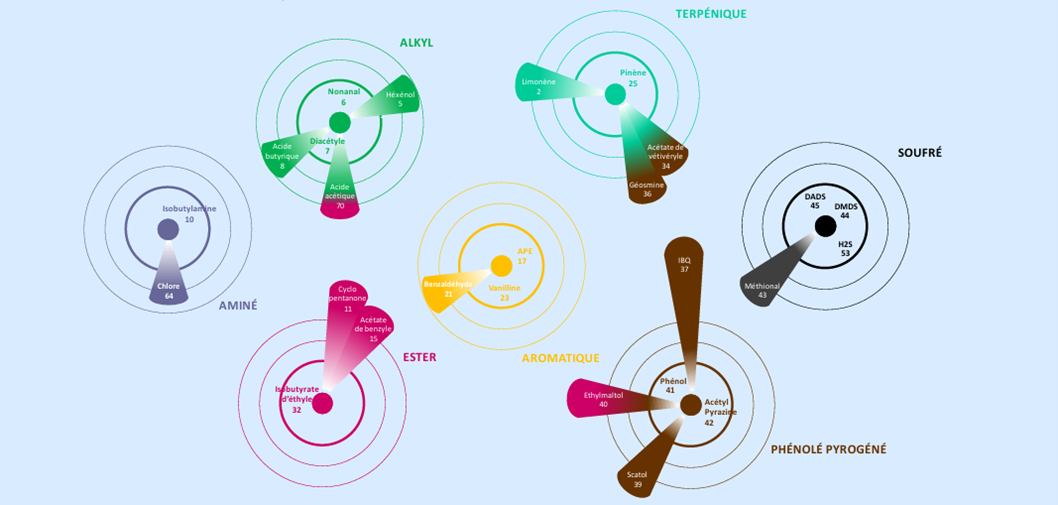
Figure 3: Olfactory basis, language of the nose
The adoption of tools such as the Language of Noses® represents a significant step forward for the fragrance industry. By standardizing the description of odors, this framework fosters better understanding among the various stakeholders in the sector and facilitates scientific and technical exchanges. It also allows for greater objectivity in the sensory evaluation of products, a crucial issue in the face of increasing demands for quality, traceability, and compliance.
Your contacts: Marjorie Lassalle, Marc Lavarde, Elodie Wallon