



Coup de coeur RESEARCH
Making pediatric medications more acceptable: the taste challenge
Malaria remains one of the leading causes of death among children worldwide, particularly in sub-Saharan Africa. This disease is caused by a parasite (Plasmodium) transmitted to humans through the bite of an infected mosquito, primarily the Anopheles mosquito. When this mosquito bites, it injects the parasite into the bloodstream, triggering the disease. Millions of children are infected each year. Despite progress in prevention and treatment, a major challenge persists: there is no drug formulation truly tailored to the needs of children.
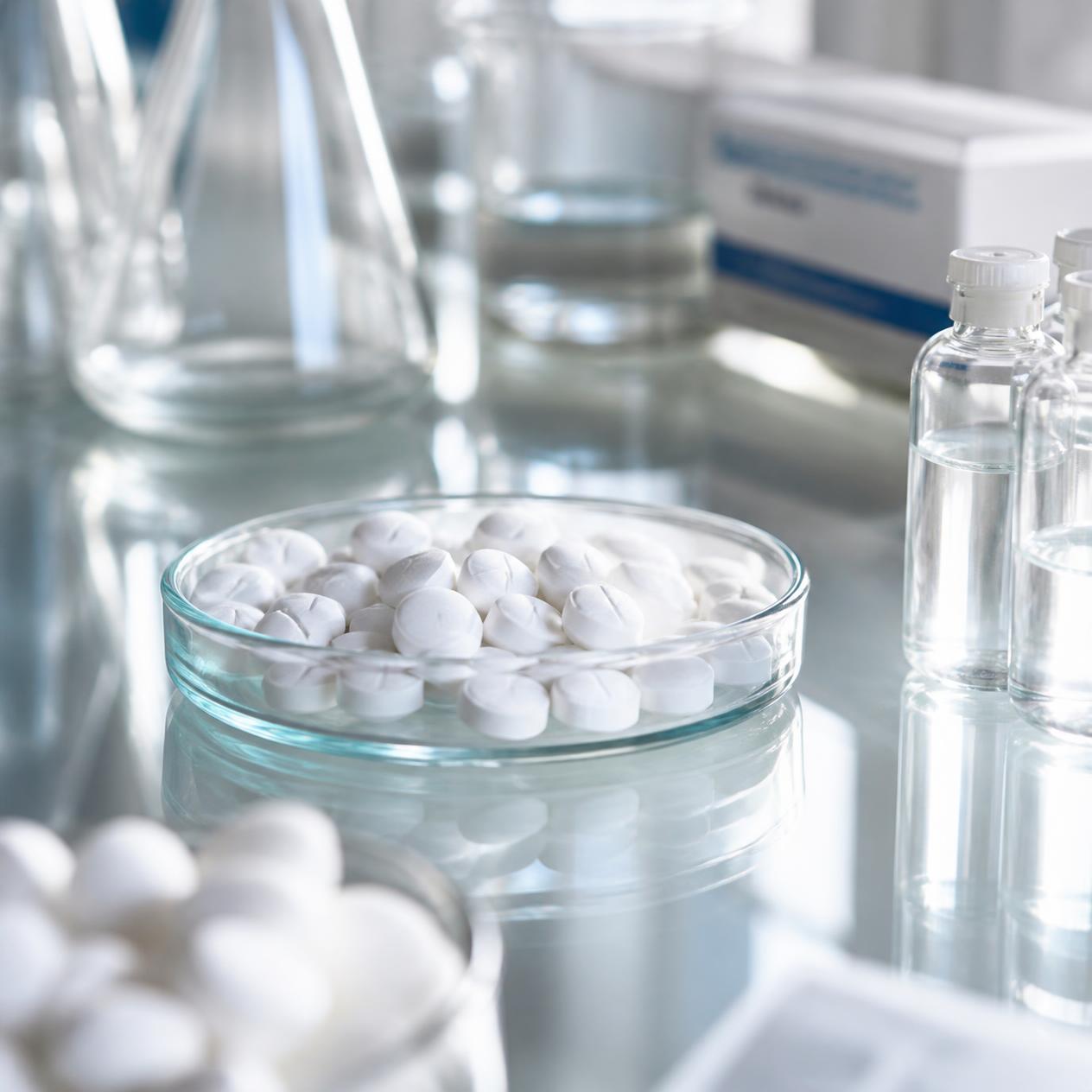
Among the essential treatments for malaria, primaquine plays a key role because it both blocks the transmission of the parasite and provides a complete cure. However, no suitable pediatric formulation is currently recognized by the World Health Organization (WHO). Parents and caregivers are therefore forced to cut or crush adult tablets to adjust the dose to the child’s age and weight. This practice, in addition to being imprecise, is risky. It also presents another drawback: the child is directly exposed to the extreme bitterness of the medication, particularly primaquine. Since the treatment is long-term, this bitterness gradually leads to rejection, or even refusal to take it, compromising its effectiveness.
This is where the DPP (Developing Paediatric Primaquine) project comes in, funded by the European EDCTP (European & Developing Countries Clinical Trials Partnership) program. This international consortium brings together researchers, clinicians, and industry professionals around a common goal: to design a pediatric formulation of primaquine that is effective, safe, and acceptable for children.
EBI actively contributes to this collaborative work through its expertise in galenic formulation and its know-how in sensory sciences, in particular through its panel trained in the evaluation of bitterness.
By optimizing formulations combining different sweeteners and flavors, the EBI teams, in partnership with University College London (UCL), have succeeded in reducing the perceived bitterness by almost 50%, while respecting a delicate balance: guaranteeing an affordable production cost and preventing the taste from becoming too attractive in order to prevent any voluntary and repeated ingestion.
Two promising formulations, validated by both teams, were then field-tested in Africa with children to assess their acceptability and effectiveness.
This approach aligns with one of the key themes of the EUPFI (European Pediatric Formulation Initiative) Consortium, where industry and academia, including the EBI, combine their expertise to innovate in the design of pediatric medicines. The goal: to consider treatment not only in terms of pharmacological efficacy, but also in terms of patient experience, particularly for children. Integrating sensory science into pharmaceutical development gives a treatment every chance of being accepted, adhered to, and therefore effective.
By making primaquine “child-friendly”, the DPP project illustrates how collaborative research can transform global health and improve the lives of the most vulnerable.
And what do you think about the integration of sensory sciences into pharmaceutical development?
Access the articles:
https://www.sciencedirect.com/science/article/pii/S2468519424002337
https://www.mdpi.com/1999-4923/15/7/1879
Vos contacts : Samar Issa, Marc Lavarde, Elodie Wallon